Call Us Today!
(973) 625-1491
New Patients
(973) 221-5407


Dental prophylaxis is a professional cleaning treatment designed to thoroughly clean your teeth and gums. This procedure is essential for preventing the progression of gingivitis and periodontal disease.
Professional teeth cleaning is highly effective in maintaining oral health and slowing the advance of gum disease. Key benefits include:
Plaque and tartar (also known as calculus) can build up above and below the gum line, potentially leading to serious periodontal issues. Even with diligent home brushing and flossing, it can be difficult to remove all deposits and bacteria from gum pockets. Dr. Rothstein or a skilled dental hygienist uses specialized tools to detect and eliminate this harmful buildup.
Stained or yellowed teeth can affect the overall appearance of your smile. Dental prophylaxis effectively removes these stains, leaving your teeth looking cleaner and healthier.
Persistent bad breath (halitosis) can be a sign of advancing periodontal disease. Plaque, food particles trapped below the gum line, and bacteria contribute to unpleasant odors. Regular professional cleaning helps remove these bacteria and reduces infection, improving breath significantly.
Dental prophylaxis can be performed either at our office or by your general dentist. For patients with a history of periodontal disease, having regular cleanings with Dr. Rothstein can be particularly beneficial, as he is familiar with the full scope of your condition. We generally recommend professional cleanings twice a year for preventive care, but for patients with periodontitis, cleaning every 3-4 months is advised. While gum disease cannot be fully reversed, dental prophylaxis is a key tool Dr. Rothstein uses to halt its progression and maintain long-term oral health.
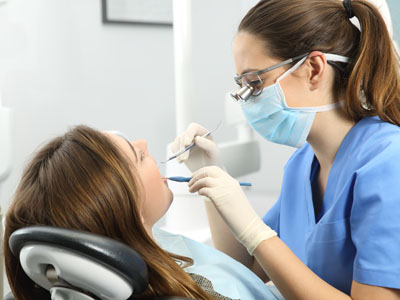
Professional teeth cleaning, also called dental prophylaxis, is a preventive procedure performed by a licensed dental hygienist or dentist to remove plaque, calculus and surface stains from the teeth and along the gum line. The goal is to reduce bacterial load and inflammation that contribute to gingivitis and periodontal disease. This service complements daily home care and plays a central role in maintaining oral health over time.
During a cleaning, providers use specialized instruments and polishing tools to reach areas that are difficult to clean at home, including just below the gum line. A professional cleaning also allows the clinician to evaluate gum health, note pocket depths and identify early signs of disease that may require additional care. Regular cleanings help preserve tooth structure, support healthy gums and contribute to overall well-being.
Dental prophylaxis is a routine cleaning intended for patients with healthy gum tissue or mild gingivitis and focuses on removing plaque and light calculus above and slightly below the gum line. Scaling and root planing, often called a deep cleaning, is a more intensive therapy for patients with established periodontitis and involves removing heavy tartar and smoothing root surfaces to reduce bacterial colonization. The two procedures have different treatment goals and are recommended based on the presence and severity of periodontal disease.
Prophylaxis is typically preventive and scheduled at regular intervals to maintain oral health, whereas scaling and root planing is therapeutic and may require follow-up maintenance visits every three to four months. Local anesthesia is commonly used during scaling and root planing when root surfaces are being treated to ensure patient comfort. Your periodontist or hygienist will recommend the appropriate approach after a thorough periodontal evaluation.
Licensed dental hygienists perform the majority of professional teeth cleanings, sometimes under the supervision of a periodontist or general dentist, depending on the practice. Hygienists use hand instruments called scalers and curettes as well as ultrasonic scalers that vibrate to break up calculus and flush out bacteria from gum pockets. After scaling, a prophylaxis paste and rotating cup or brush are used to polish tooth surfaces and remove remaining stains.
Additional tools may include periodontal probes to measure pocket depths, intraoral mirrors for visualization and air-water syringes to rinse and dry the mouth. In settings where implants or complex periodontal conditions are present, specialized instruments designed for implant surfaces or sensitive tissues may be used. The clinician selects instruments and techniques based on each patient’s needs to achieve thorough, gentle care.
For most adults with healthy gums, professional teeth cleaning is recommended every six months to help prevent plaque accumulation and detect early signs of gum disease. Patients who have a history of periodontal disease, compromised immune conditions or a tendency to build up tartar may benefit from more frequent cleanings every three to four months to control bacterial levels and protect attachments. Your clinician will recommend an interval tailored to your oral health status and treatment history.
A R Periodontics, PC evaluates each patient’s risk factors, pocket depths and response to prior therapy when scheduling maintenance visits. Regular monitoring and consistent professional care are key to preventing progression of periodontal problems and preserving results from prior treatments. Maintaining the recommended schedule also allows clinicians to intervene early if disease activity increases.
An initial cleaning appointment typically begins with a review of your medical history, a periodontal assessment and measurements of gum pocket depths to evaluate tissue health. The clinician then removes plaque and tartar using ultrasonic and hand instruments, polishes the teeth, and flosses to ensure smooth surfaces and improved aesthetics. The provider will also assess for any signs of inflammation, bleeding or areas that require special attention.
After the mechanical cleaning, your hygienist may apply preventive therapies such as topical fluoride or discuss home care techniques to address specific issues like bleeding gums or hard-to-clean areas. The appointment usually concludes with recommendations for scheduling, any necessary follow-up care and answers to questions about daily oral hygiene. Most routine cleanings are comfortable, though patients with sensitive gums may experience brief discomfort during scaling.
Yes. Professional teeth cleaning is safe for patients with gum disease and for many patients with dental implants, provided the clinician uses appropriate techniques and instruments. In cases of periodontitis, cleanings are part of a comprehensive treatment plan that may include scaling and root planing, antimicrobial therapies and more frequent maintenance visits to control infection and protect supporting tissues. For implants, hygienists use instruments designed to avoid scratching implant surfaces and to remove biofilm effectively.
Before any cleaning, inform your provider about implants, prostheses or recent periodontal therapy so the team can tailor the approach and select compatible instruments. In some cases, adjunctive measures such as localized antibiotics or antiseptic rinses may be recommended to enhance outcomes. A careful, individualized plan helps maintain implant health and supports long-term periodontal stability.
Persistent bad breath, or halitosis, often originates from bacterial biofilm, food particles and decaying debris that accumulate in hard-to-reach areas of the mouth and below the gum line. Professional cleanings remove these odor-causing deposits, reduce bacterial levels and address periodontal inflammation that can contribute to chronic bad breath. By eliminating the source of bacterial growth, a cleaning can produce a noticeable improvement in breath freshness.
In addition to in-office care, your hygienist will review home care practices that influence breath, such as tongue cleaning, proper flossing and hydration. If bad breath persists after a thorough cleaning and good oral hygiene, your clinician may investigate other contributing factors such as dry mouth, certain medications or systemic health conditions. Addressing the underlying cause alongside regular cleanings leads to the most reliable improvement.
Most patients do not need special preparation before a routine professional cleaning beyond maintaining regular oral hygiene and informing the office of any changes to medical history or medications. If you have specific concerns—such as bleeding disorders, recent cardiovascular procedures or medication-related bleeding risk—notify the team in advance so appropriate precautions can be taken. Patients with dental anxiety should discuss comfort options with the office before the appointment.
After a cleaning, you may experience temporary sensitivity or mild gum tenderness, especially if significant tartar was removed or if inflammation was present before treatment. These symptoms typically resolve within a day or two and can be managed with gentle brushing, saltwater rinses and, when appropriate, over-the-counter analgesics. Your clinician will provide tailored aftercare instructions and schedule follow-up or maintenance visits as indicated.
Regular professional teeth cleaning is a key preventive measure that helps control plaque and tartar, reduce gum inflammation and limit the progression of periodontal disease, all of which contribute to preserving tooth-supporting structures. While cleaning alone cannot reverse advanced bone loss, consistent professional care combined with proper home hygiene and timely periodontal treatment can halt disease activity and reduce the risk of tooth mobility and eventual tooth loss. Early detection and maintenance are vital to long-term outcomes.
For patients already diagnosed with periodontitis, cleanings are usually part of an ongoing maintenance program that includes more frequent visits, monitoring of pocket depths and appropriate therapeutic interventions. Maintaining these visits and following the treatment plan dramatically improves the likelihood of keeping natural teeth and restoring oral health. Your periodontist can explain how maintenance care fits into your overall treatment goals.
Periodontists are specialists in the diagnosis, treatment and maintenance of periodontal disease and offer advanced training in managing complex gum and implant conditions. Seeing a periodontist for cleanings can be particularly beneficial for patients with a history of aggressive or recurrent periodontal disease, complex restorative work or dental implants because the clinician understands the full scope of how disease and treatment interact. A specialist can tailor maintenance protocols, select specialized instruments and coordinate care with other dental providers when needed.
The office of A R Periodontics, PC emphasizes individualized periodontal maintenance that reflects each patient’s risk profile and treatment history, which can lead to more predictable long-term results. If your periodontal charting or clinical findings suggest specialized care, your periodontist will recommend an appropriate maintenance interval and any adjunctive therapies. Choosing the right provider for ongoing periodontal care helps protect your investment in oral health and supports a healthier smile for life.