Call Us Today!
(973) 625-1491
New Patients
(973) 221-5407


A healthy bite occurs when the teeth align properly, all or most teeth are present, and there is no abnormal wear or damage from daily use.
When teeth show excessive wear, looseness, or when the temporomandibular joint (TMJ) is affected, a bite may become destructive. Bite therapy is designed to restore proper function, protecting your teeth and jaw from further damage.
Bite therapy may include:
Bite therapy not only protects your teeth from further wear but also helps prevent jaw pain, TMJ issues, and other complications associated with a misaligned or destructive bite.
A bite adjustment is a targeted set of treatments designed to restore balanced contact between the upper and lower teeth so the jaw functions properly. It addresses uneven bite forces, abnormal wear, and tooth mobility that can result from misalignment or long-term stress. The goal is to protect teeth and supporting structures while reducing strain on the jaw and temporomandibular joint.
Depending on the cause and severity, bite adjustment can be conservative or comprehensive and may involve reshaping tooth surfaces, occlusal appliances, orthodontics, or restorative work. A careful evaluation identifies specific high spots or destructive contacts so treatment can be tailored to each patient. When performed correctly, bite therapy improves function and helps prevent further dental breakdown.
Common signs that suggest a destructive or unbalanced bite include persistent tooth sensitivity, unusual or accelerated tooth wear, cracked or loose teeth, and frequent headaches or jaw pain. Patients may also notice a change in how their teeth come together, difficulty chewing comfortably, or clicking and popping in the jaw joint. These symptoms often develop gradually and can be overlooked until damage becomes significant.
If you experience chronic discomfort, recurring restorative failures, or visible wear patterns on teeth, an evaluation is recommended to determine whether bite therapy can help. Early detection reduces the extent of treatment required and helps protect natural teeth and existing restorations. Prompt attention can also reduce the risk of developing more advanced temporomandibular joint problems.
A comprehensive bite evaluation combines a clinical exam with diagnostic tools to assess tooth contacts, jaw movement, and the health of the temporomandibular joints. The clinician will inspect wear patterns, test tooth mobility, review existing restorations, and observe how the teeth meet during biting and chewing. Diagnostic records may include digital bite analysis, models, and targeted imaging to reveal underlying issues that are not visible on a routine exam.
At A R Periodontics, PC the evaluation emphasizes identifying destructive contacts and the factors that contribute to an unstable bite so a precise treatment plan can be developed. The process is collaborative and educational, with clear explanations of findings and treatment options. This thorough approach ensures interventions target the root cause rather than just the symptoms.
Bite therapy can include a range of interventions from conservative to restorative, selected to restore function and protect teeth. Common treatments are occlusal adjustments to reshape biting surfaces, custom-fitted bite splints to prevent wear and relax jaw muscles, orthodontic treatment to reposition teeth, restorative replacement of worn fillings, and full-mouth reconstruction when damage is severe. Each option addresses different aspects of a destructive bite and may be used alone or in combination.
The treatment plan is based on the patient’s symptoms, the extent of tooth and joint involvement, and long-term goals for oral health and function. Conservative measures like splints and selective adjustments are often tried first to stabilize the situation. When structural damage is present, restorative or reconstructive procedures are planned to rebuild proper occlusion and support.
Occlusal adjustments are selective reshaping procedures performed directly on tooth surfaces to eliminate high spots and distribute bite forces evenly. They are a permanent change to the tooth anatomy intended to improve contacts and reduce destructive wear when the problem is localized and tooth structure allows safe modification. When successful, occlusal adjustments can immediately reduce uncomfortable contacts that damage teeth or restorations.
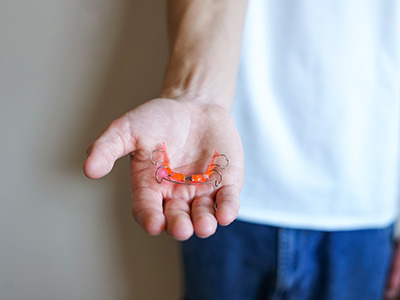
Bite splints are removable, custom appliances that protect teeth and reduce muscle strain by altering how the jaw closes and by cushioning the bite during night or daytime parafunction. Splints are reversible and can be used diagnostically to determine whether changing the bite relationship relieves symptoms before irreversible treatment is done. In many cases splints and occlusal adjustments are used together as part of a staged treatment plan.
During a conservative occlusal adjustment the provider uses small instruments to polish or contour enamel in targeted areas while checking bite contacts repeatedly for evenness. The procedure is typically done with local anesthesia only when needed for patient comfort, and most adjustments are completed in a single appointment. For splint therapy, impressions are taken and a custom appliance is delivered with instructions for wear and monitoring.
After treatment patients may notice immediate relief from specific high-pressure contacts, with follow-up appointments scheduled to fine-tune the occlusion and monitor adaptation. Mild soreness in the muscles or temporary sensitivity can occur as the bite changes, but these effects usually resolve within days to weeks. Long-term success depends on adherence to recommended wear of appliances, follow-up care, and any additional restorative or orthodontic interventions.
Like any dental procedure, bite adjustment has potential risks, which is why a careful, conservative approach is essential. Overadjustment can change the way teeth meet and may create new problems, and unnecessary removal of tooth structure should be avoided. Splints can cause temporary speech changes or increased salivation when first worn, and poorly designed appliances can introduce new occlusal interferences if not properly evaluated.
These risks are minimized by basing treatment on thorough diagnostics and by using reversible steps when possible, such as diagnostic splint therapy before permanent tooth modification. Informed planning and staged care help ensure that any irreversible work is only done when it is clearly indicated and likely to provide lasting benefit. Regular follow-up allows early detection and correction of any unintended effects.
The longevity of bite adjustment results varies depending on the underlying cause, the treatments performed, and patient behaviors such as clenching, grinding, and oral hygiene. When adjustments are combined with protective measures like splints and appropriate restorative care, results can be long-lasting and significantly slow further wear. Teeth and restorations should be monitored periodically to ensure contacts remain balanced and no new destructive forces develop.
Maintenance strategies include wearing prescribed bite guards as directed, addressing parafunctional habits, keeping regular periodontal and dental maintenance visits, and following any recommended restorative or orthodontic follow-through. Early intervention for new symptoms and consistent professional monitoring are key to preserving the function achieved by bite therapy.
If you have persistent gum inflammation, loosening teeth, or bone loss in addition to bite-related symptoms, a periodontist can assess how occlusion affects the supporting structures of the teeth. Periodontal specialists are trained to evaluate the interaction between bite forces and periodontal health and to coordinate care that stabilizes both the soft tissue and bone. Cases involving tooth mobility, recurrent restorative failure, or complex reconstruction often benefit from specialized periodontal input.
The office of A R Periodontics, PC provides comprehensive evaluations that consider both periodontal and occlusal factors so treatment plans address the whole problem. Seeing a periodontist is particularly important when bite issues are contributing to periodontal breakdown or when major restorative work is planned and support must be optimized for long-term success.
Bite imbalance can contribute to muscle strain and abnormal loading of the temporomandibular joint, which may aggravate or mimic TMJ disorder symptoms such as pain, clicking, or limited jaw opening. Bruxism, or habitual clenching and grinding, often intensifies these effects by increasing the magnitude and frequency of damaging contacts. Addressing the bite can be an important component of reducing joint stress and controlling the destructive consequences of parafunction.
Effective management typically combines stabilization with splints, behavioral strategies to reduce clenching, and targeted dental corrections when appropriate. Coordination among specialists allows treatment to address both the functional drivers and the dental consequences, improving comfort and protecting teeth. Ongoing monitoring and supportive care help maintain improvements and reduce the risk of recurrence.