Call Us Today!
(973) 625-1491
New Patients
(973) 221-5407


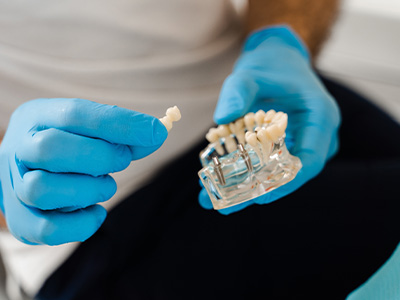
Getting dental implants can have a profound impact on your life, helping you eat and speak more comfortably while supporting overall oral health. To achieve the best results, it’s important to have your implants placed by a skilled and experienced professional. Many patients and their dentists turn to a periodontist for implant surgery, trusting their advanced training and expertise in complex dental restorations.
Periodontists specialize in preventing, diagnosing, and treating gum disease, performing bone grafting, and placing dental implants. Their deep understanding of how implants interact with surrounding gum and bone tissue ensures your new teeth are not only functional but also healthy and aesthetically pleasing.
Dr. Rothstein, a board-certified periodontist, has performed dental implant procedures countless times. He carefully evaluates each patient’s periodontal health and addresses any underlying gum or bone issues to ensure your implants last for decades. His expertise guarantees beautiful, functional, and long-lasting results.
If you are considering dental implants, contact our office at (973) 625-1491 to schedule a consultation with Dr. Rothstein. He will answer your questions, assess your suitability for the procedure, and help you achieve a healthy, confident smile.
Periodontists receive specialized training focused on the health of the gums, jawbone and supporting structures that determine implant success. This expertise helps ensure implants integrate properly with surrounding tissue and reduces the risk of complications related to bone loss or gum disease. Choosing a specialist improves the likelihood of a functional, long-lasting and esthetic result that closely mimics a natural tooth.
At A R Periodontics, PC, our approach emphasizes careful evaluation and treatment planning tailored to each patient’s oral health needs. We focus on restoring the underlying foundation before placing implants so the final restoration performs well over many years. This foundation-first strategy is especially important for patients who have experienced periodontal disease or significant bone loss.
After dental school, periodontists complete additional years of advanced education in surgical techniques, tissue grafting and implant biology. That focused training gives them a deep understanding of how to manage soft tissue and bone to create a stable environment for implants. This expertise is valuable when planning complex cases or addressing anatomical challenges that can affect implant placement.
Because periodontists regularly treat the full spectrum of gum and bone conditions, they are skilled at anticipating and preventing complications. Their surgical experience allows for precise implant positioning and predictable integration with the jawbone. Patients benefit from a clinician who can combine restorative goals with biologic principles to protect both function and appearance.
Successful implants depend on sufficient jawbone volume and healthy soft tissue to support the implant and final restoration. When bone has resorbed after tooth loss or infection, bone grafting rebuilds the foundation and creates the necessary volume for stable implant placement. Periodontists routinely perform ridge augmentation, socket preservation and sinus lifts to prepare a site that can accept an implant reliably.
Soft tissue management is equally important for long-term esthetics and maintenance. Techniques such as connective tissue grafting or guided tissue regeneration improve gum contours and help protect implants from recession and bacterial penetration. These procedures create a more natural-looking result and make everyday hygiene easier, contributing to implant longevity.
Contemporary periodontists use digital imaging and computer-guided planning to enhance the precision of implant treatment. Cone-beam computed tomography (CBCT) provides three-dimensional views of bone anatomy, nerve locations and sinus cavities, allowing for safer and more accurate planning. Surgical guides based on virtual planning help translate that plan precisely to the patient during surgery.
These technologies reduce surgical time, increase placement accuracy and allow clinicians to evaluate alternative restorative paths before the procedure. For patients with complex anatomy or multiple missing teeth, digital planning supports predictable outcomes and smoother coordination with restorative dentists. The result is a more comfortable experience and a higher probability of successful implant integration.
Before implants are placed, any active periodontal infection must be controlled to protect the new restoration and surrounding tissues. Periodontists diagnose and treat gum disease using scaling and root planing, targeted antibiotic therapy and, when necessary, surgical intervention to remove infected tissue and eliminate pockets. Stabilizing periodontal health reduces inflammation and creates a healthier environment for implant integration.
Following active therapy, periodontists establish a maintenance schedule to monitor tissue stability and prevent recurrence. Regular periodontal maintenance visits focus on professional cleaning around implant sites and early detection of any changes. This proactive care helps preserve the health of both natural teeth and implant-supported restorations over time.
Periodontists are trained to offer a range of sedation options to keep patients comfortable during implant procedures, from minimal to deeper levels of sedation. Common choices include local anesthesia combined with nitrous oxide for relaxation, oral sedatives for moderate anxiolysis, and intravenous (IV) sedation for more involved procedures or higher anxiety. The chosen method depends on the complexity of the surgery, medical history and patient preference.
Prior to any sedation, the periodontist evaluates overall health, medications and breathing considerations to select a safe approach. Monitoring during the procedure follows standard medical protocols to ensure patient safety and a smooth recovery. A well-managed sedation plan helps patients remain relaxed while the clinician focuses on precise, efficient surgical work.
Successful implant treatment is often a team effort that pairs the surgical skills of the periodontist with the restorative expertise of a general dentist or prosthodontist. Communication begins during planning, when both clinicians review goals for implant position, occlusion and esthetics to ensure the final crown or denture will function properly. Shared digital records, imaging and surgical guides help align surgical placement with restorative requirements.
After implant placement, the periodontist coordinates the timing for healing and transfer of responsibility for the prosthetic phase to the restorative dentist. Ongoing follow-up visits focus on tissue healing and peri-implant health, with both clinicians available to address adjustments or concerns. This collaborative model delivers a cohesive treatment plan and a more predictable, patient-centered result.
Recovery after implant surgery typically involves some swelling, mild discomfort and gradual healing of the soft tissues over the first one to two weeks. The periodontist provides clear post-operative instructions on oral hygiene, diet modifications and medication when indicated to manage inflammation and reduce infection risk. Most patients resume normal activities within a few days while avoiding strenuous exercise for a short period.
Follow-up care includes scheduled visits to evaluate healing, remove sutures if needed and confirm that the implant is integrating with the bone. Once osseointegration is underway, the restorative phase begins with impressions and fabrication of the final crown or prosthesis. Long-term checkups focus on professional maintenance and early detection of any issues that could threaten implant health.
Good candidates for dental implants are generally adults in good overall health who have sufficient bone to support an implant or are willing to undergo bone grafting when necessary. Individuals with controlled chronic conditions, such as diabetes, may still be candidates when medical conditions are well-managed. Smokers and those with untreated gum disease should discuss risk factors with the periodontist, as modification of habits and treatment can improve outcomes.
If you have missing teeth, loose dentures, difficulty chewing, or a history of periodontal disease, it is appropriate to consult a periodontist early in the planning process. The specialist can evaluate bone and tissue health, recommend preparatory procedures and work with your restorative dentist to develop a comprehensive treatment plan. Early consultation helps identify potential challenges and allows for the most predictable path to a functional smile.
Long-term implant success depends on effective daily hygiene and regular professional maintenance to control plaque and inflammation around the implant. Patients should brush twice daily with a soft-bristled toothbrush, clean interdental spaces with floss or interdental brushes designed for implants, and follow any special recommendations from the periodontist. Avoiding tobacco and maintaining overall health also support the longevity of implants by reducing inflammation and promoting healing.
Professional periodontal maintenance visits are critical and typically occur more frequently in the first year after implant placement, then on a schedule tailored to individual risk. These visits include careful evaluation of the implant, professional cleaning around implant surfaces and monitoring of bone levels with periodic imaging when indicated. Early detection and treatment of any peri-implant inflammation are key to preserving both gum and bone health for years to come.