Call Us Today!
(973) 625-1491
New Patients
(973) 221-5407


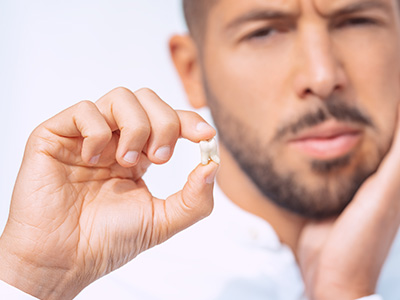
Sometimes teeth must be removed due to pain, infection, fracture, or advanced bone loss. When a tooth is extracted, the surrounding jawbone (the socket) can shrink or recede rapidly, especially if it was already weakened by disease or infection. This can lead to unsightly changes in your smile, collapsed lips or cheeks, and complications for future restorative treatments such as dental implants, bridges, or dentures.
To prevent these issues, your dentist may recommend socket preservation, a procedure designed to maintain the bone and gum tissue after tooth extraction. Socket preservation helps preserve your facial structure, improve aesthetic outcomes, and provide a strong foundation for dental implants in the future.
Several techniques can help maintain bone and gum tissue after an extraction:
With socket preservation, the newly formed bone creates a stable foundation for a dental implant, ensuring long-term function and aesthetics. This procedure is especially important for patients planning to replace front teeth or other highly visible areas of the mouth.
If your dentist has recommended a tooth extraction, ask about socket preservation to protect your jawbone and future smile.
Socket preservation is a procedure performed at the time of tooth extraction or shortly thereafter to maintain the volume and shape of the surrounding jawbone and gum tissue. When a tooth is removed, the empty socket frequently undergoes resorption, which can lead to loss of bone height and width that supports teeth and facial contours. Preserving the socket helps reduce that bone loss and maintains the architecture needed for future restorations.
The procedure promotes predictable healing of the extraction site and improves aesthetic outcomes for visible areas of the mouth. Retaining bone volume can also simplify or improve the success of later treatments such as dental implants, bridges, or more conservative prosthetic options. For patients who value long-term stability of their smile, socket preservation is an important preventive step after extraction.
Patients who are having a tooth extracted and plan to replace it with an implant or a fixed restoration are common candidates for socket preservation. It is also recommended when the tooth is in a highly visible area, when the surrounding bone is thin or already compromised by infection or periodontal disease, or when preserving facial contours is a priority. Your periodontist will evaluate medical history, oral health, and imaging to determine candidacy.
Certain health conditions and habits can affect healing, so candidacy is assessed on an individual basis with attention to overall health and smoking status. If active infection is present, the clinician may treat the infection first or modify the approach to grafting. A thorough examination and consultation will identify the best timing and technique for each patient.
Socket preservation is most commonly performed immediately after tooth extraction, during the same appointment, to take advantage of the fresh surgical site and to minimize tissue collapse. Immediate placement of graft material and a protective membrane helps guide bone formation and preserves soft-tissue contours as healing begins. In some cases a delayed approach is chosen based on infection, soft-tissue condition, or treatment planning considerations.
If a delay is necessary, alternative ridge augmentation procedures can be planned later, but these may be more involved than immediate socket preservation. The periodontist will review radiographs and the clinical situation to recommend the timing that best supports predictable healing and future restorative needs. Clear communication about your restorative plan helps determine the optimal schedule.
A variety of grafting materials can be used for socket preservation, including human allografts, animal-derived xenografts, synthetic grafts, and, in select cases, the patient’s own bone. These materials act as scaffolds that support new bone formation while your body gradually replaces the graft with native bone. A resorbable membrane or soft-tissue closure is often placed over the graft to protect the site and help guide tissue regeneration.
Some clinicians also use biologic modifiers such as platelet-rich fibrin to enhance healing and soft-tissue response, though the choice of adjuncts depends on the individual case. Material selection is guided by the size and shape of the socket, the thickness of the surrounding bone, and the planned timing for final restoration. Your periodontist will explain the benefits and expected behavior of the chosen materials during the consultation.
The procedure typically begins with a careful tooth extraction and thorough cleaning of the socket to remove any infected or inflamed tissue. The graft material is then placed into the socket, shaped as needed, and covered with a membrane or secured with sutures to stabilize the site. Local anesthesia is normally used, and sedation options can be discussed if needed to enhance patient comfort.
Most socket preservation appointments last about 30 to 90 minutes depending on complexity and additional procedures such as removal of adjacent tissue or placement of biologic modifiers. After the appointment the patient receives detailed post-operative instructions and a follow-up schedule to monitor healing. The clinician will outline the expected timeline for bone maturation and subsequent restorative steps.
After socket preservation, mild to moderate soreness and swelling are common for a few days and can usually be managed with prescribed or over-the-counter medications and cold compresses. Patients should avoid vigorous rinsing, spitting, smoking, or probing the site for the first 24 to 72 hours to support blood clot stability and graft integration. A soft diet and gentle oral hygiene around the area are recommended until initial healing has occurred.
Your periodontist will provide specific home-care instructions, which commonly include saltwater rinses after the first day, avoiding hard or crunchy foods near the site, and attending scheduled follow-up visits for suture removal and healing checks. Adhering to these guidelines reduces the risk of complications and promotes optimal bone formation for future restorative work. Any unexpected pain, persistent bleeding, or signs of infection should be reported promptly to the office.
As with any surgical procedure, socket preservation carries some risks, including infection, prolonged swelling, graft exposure, or delayed healing. Graft materials may fail to integrate in a small number of cases, which can require additional treatment or alternate augmentation at a later date. Numbness or nerve-related symptoms are uncommon but possible depending on the extraction site and anatomy.
Careful case selection, sterile technique, and adherence to post-operative instructions reduce the likelihood of complications. If a complication occurs, the periodontist will assess the situation and recommend appropriate steps such as antibiotics, local wound care, or additional procedures to restore the ridge. Close follow-up is an important part of managing risks and achieving predictable outcomes.
Socket preservation helps maintain the bone volume and contour needed for a stable implant foundation, often making implant placement more straightforward and predictable. Preserving ridge width and height reduces the need for more extensive grafting procedures later and can improve the aesthetic integration of the implant crown, particularly in the front of the mouth. Maintaining bone also supports better long-term soft-tissue contours around the implant restoration.
Despite preservation, some sites still require additional augmentation at the time of implant placement depending on the healing outcome and the patient’s anatomy. Typical healing before implant placement ranges from a few months to several months based on graft material and the individual’s healing response. Your periodontist will monitor bone development and advise the appropriate timeframe for predictable implant success.
An alternative is to allow the socket to heal naturally without grafting, but this approach commonly results in more significant ridge resorption and loss of bone volume. For some patients, delayed ridge augmentation or guided bone regeneration at the time of implant placement is a reasonable option when immediate preservation is not feasible. Removable prosthetic solutions can also be used to replace a missing tooth without grafting, although they do not prevent bone loss.
The choice of strategy depends on the patient’s restorative goals, the condition of the extraction site, and clinical factors such as infection or soft-tissue quality. A comprehensive evaluation and treatment plan will compare the expected outcomes and trade-offs of socket preservation versus alternative approaches. The periodontist will recommend the plan that best supports long-term function and aesthetics.
At A R Periodontics, PC you can expect an initial consultation that includes a clinical exam, dental imaging, and a clear discussion of treatment goals and options. The team will explain the recommended socket preservation technique, the materials to be used, and the expected timeline for healing and follow-up. You will receive individualized instructions for pre-operative preparation and post-operative care to promote safe, predictable healing.
The practice emphasizes education and shared decision-making so patients understand each step of the process and the rationale behind recommendations. Follow-up appointments will monitor healing and coordinate the transition to restorative treatments such as dental implants when appropriate. If you have questions about socket preservation, scheduling a consultation is the best way to receive answers tailored to your situation.