Call Us Today!
(973) 625-1491
New Patients
(973) 221-5407


A sinus lift, also known as sinus augmentation, is a surgical procedure designed to add bone to the upper jaw in the area of the maxillary sinuses. This helps ensure there is enough bone to securely support dental implants.
The maxillary sinuses are air-filled spaces located above the upper teeth and behind the cheeks, which aid in breathing. In some patients, the roots of the upper teeth extend close to or into these sinus passages. When these teeth are lost, the remaining bone may be too thin to support implants. A sinus lift corrects this by adding bone to strengthen the jaw and create a stable foundation for dental implants.
Dental implants need sufficient healthy jawbone to stay secure. A sinus lift is often recommended if your upper jaw has:
Dr. Rothstein will evaluate your jawbone, teeth, and sinuses using digital imaging and x-rays to determine whether a sinus lift is necessary and how much bone grafting is required.
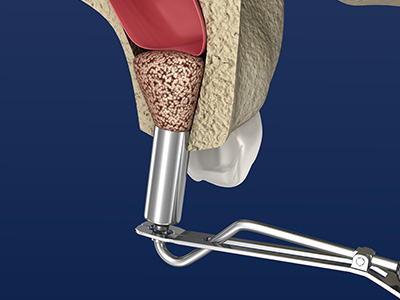
The procedure begins with a small incision in the gums near the molars to expose the jawbone. Dr. Rothstein carefully creates an opening in the bone to gently lift the sinus membrane. Bone graft material is placed into the space to encourage new bone growth and provide a solid foundation for dental implants.
After the graft is placed, the gums are sutured back in position. Over several months, the graft integrates with your natural bone through a process called osseointegration. Once healing is complete, dental implants can be placed securely in the jaw.
Materials used for sinus lifts and bone grafts include:
In most cases, a sinus lift is performed first and allowed to heal for several months before placing dental implants. However, if there is sufficient existing bone, Dr. Rothstein may be able to place the implants at the same time as the sinus lift.
If you are interested in dental implants but need a sinus lift, Dr. Rothstein ensures the procedure is as comfortable and painless as possible. With sinus augmentation, permanent dental implants can be placed even in cases where previous bone loss prevented it.
Contact AR Periodontics to schedule a consultation and learn more about sinus lifts in Livingston or Essex Fells, NJ.
A sinus lift, also called sinus augmentation, is a surgical procedure that increases bone height in the upper jaw beneath the maxillary sinuses to support dental implants. The surgery elevates the sinus membrane and places bone graft material into the space to encourage new bone growth. This creates a firmer foundation for implants in the posterior maxilla where natural bone volume has diminished.
Sinus lifts are commonly performed when tooth loss, long-term bone resorption, or anatomic variations leave too little bone for stable implant placement. The technique preserves the sinus cavity while rebuilding the jawbone and is a routine part of comprehensive implant planning. With modern imaging and careful surgical technique, sinus augmentation is predictable and integrates with standard implant workflows.
Patients who have insufficient bone under the maxillary sinuses for implant placement are typical candidates for a sinus lift. This includes individuals with long-standing missing upper molars, significant bone loss from periodontal disease, or anatomic factors that leave the posterior upper jaw thin. A thorough clinical exam and three-dimensional imaging help determine the amount of bone available and whether augmentation is necessary.
Other factors that influence candidacy include overall health, smoking status, sinus health, and the presence of chronic sinus conditions. Your periodontist will review medical history, evaluate the sinuses and jaw with imaging, and discuss whether alternative approaches or staged treatment are more appropriate. The goal is to ensure the patient can heal predictably and achieve a long-term implant outcome.
During a typical lateral window sinus lift, a small incision is made in the gum to expose the lateral maxillary bone, and a window is created to gently lift the sinus membrane. Bone graft material is placed into the created space beneath the elevated membrane to increase vertical bone height. The incision is then closed with sutures and allowed to heal while the graft integrates with the native bone over several months.
In some cases a less invasive crestal approach is used when only a modest vertical augmentation is needed, and the grafting is done through the implant site. Local anesthesia with conscious sedation or additional comfort measures can be used to keep the patient comfortable. Postoperative care includes short-term medications, instructions to avoid heavy nose blowing, and follow-up imaging to monitor healing.
Selection of graft material depends on the clinical situation, the volume of augmentation needed, and the surgeon's experience. Often, a combination of materials and biologic adjuncts is used to optimize bone formation. Your periodontist will explain the chosen material and the rationale during treatment planning so you understand the biology and expected timeline for integration.
Whether implants can be placed at the same time as the sinus lift depends on the amount of existing native bone and the stability needed for immediate implant support. When there is adequate residual bone height to achieve primary implant stability, a simultaneous graft-and-implant approach may be possible. If the native bone is minimal, most clinicians stage the procedures to allow the graft to mature before implant placement.
Staged treatment reduces the risk of implant failure in cases with insufficient initial bone and allows a more predictable long-term result. The decision for same-day placement is individualized based on imaging, the quality of remaining bone, and patient health factors. Your periodontist will recommend the safest timeline to maximize implant success and minimize complications.
Sinus lift surgery is generally safe, but, like any procedure, it carries potential risks such as sinus membrane perforation, infection, graft migration, and delayed or incomplete integration of the graft. A perforation of the sinus lining is one of the more common intraoperative issues and is typically managed immediately during surgery to allow healing. Infection and inflammation are uncommon with proper surgical technique and postoperative care, but they remain possible and may require additional treatment.
Other considerations include temporary swelling, minor bleeding, and transient sinus symptoms that usually resolve during recovery. Careful preoperative assessment of sinus health and adherence to postoperative instructions significantly reduce complication rates. If complications arise, your periodontist will address them promptly to protect both the graft and future implant sites.
After a sinus lift you can expect some swelling, mild discomfort, and light nasal congestion for several days, which are typical parts of the healing process. Pain is usually managed effectively with prescribed or over-the-counter medications and cold compresses, while antibiotics and nasal sprays may be recommended to reduce infection risk and control inflammation. Patients are advised to avoid strenuous activity and to follow specific nasal precautions, such as not blowing the nose forcefully, during the early healing period.
Follow-up appointments are important to monitor how the graft is integrating and to ensure the sinus membrane has healed properly. Oral hygiene should be maintained carefully around the surgical site, and your periodontist will provide step-by-step home care instructions. Smoking cessation and good overall health support improve healing and graft success.
Healing time varies depending on the graft material, the size of the augmentation, and individual healing factors, but most sinus grafts require three to nine months of healing before implants are placed. During this time the graft material is gradually replaced by the patient’s own bone through natural remodeling processes. Periodic imaging helps assess the maturation of the graft and determines the optimal timing for implant surgery.
In cases with smaller augmentations and favorable initial bone, clinicians may move more quickly, while larger reconstructions often require a longer consolidation period. The periodontist will recommend a timeline tailored to your biology and the planned implant restoration to ensure a stable, long-lasting result. Rushing implant placement before adequate bone formation increases the risk of implant failure.
Preparation begins with a comprehensive consultation that includes medical history, dental examination, and three-dimensional imaging to evaluate sinus anatomy and bone volume. You should inform your periodontist about medications, systemic health conditions, and any history of chronic sinus disease or recent upper respiratory infections. Smoking cessation, optimizing systemic health, and following any medication adjustments recommended by your provider improve healing outcomes.
On the day of surgery, arrange for transportation if sedation will be used and follow preoperative instructions regarding fasting and medications. Your periodontist will also review postoperative care, expected symptoms, and emergency contact procedures so you feel prepared and supported. Clear communication and careful planning reduce anxiety and contribute to a smoother recovery.
Periodontists are specialists in the supporting structures of the teeth and have advanced surgical training in bone grafting, implant placement, and management of the soft tissues and bone around the sinuses. Their focused experience in treating complex posterior maxillary cases makes them well suited to plan and execute sinus augmentations with predictable outcomes. A specialist approach also helps integrate the sinus lift into a broader plan for implant restoration and long-term oral health.
The office of A R Periodontics, PC combines specialist training with modern imaging and grafting techniques to tailor treatment to each patient's anatomy and restorative goals. Choosing a periodontist ensures that the surgical, prosthetic, and maintenance aspects of implant therapy are coordinated from diagnosis through final restoration. This team-based, evidence-based approach helps maximize the chance of a successful, durable implant-supported result.