Call Us Today!
(973) 625-1491
New Patients
(973) 221-5407


The placement of a dental implant is a precise procedure that typically takes 30 to 60 minutes for a single implant and 2 to 3 hours for multiple implants. The exact timing and number of appointments depend on each patient’s unique needs. Dr. Rothstein brings careful attention to every detail to ensure the best outcome.
Before surgery, you may be given antibiotics to prevent infection and options for comfort, including intravenous sedation or nitrous oxide (laughing gas). A local anesthetic is used to numb the area where the implant will be placed, keeping you comfortable throughout the procedure.
Once the area is numb, Dr. Rothstein makes a small incision in the gum tissue to expose the bone. Using specialized instruments, the bone is prepared, and the titanium implant is gently inserted. In some cases, the top of the implant may be visible through the gum, while in other cases, it is better to cover it with gum tissue during the initial healing phase.
Healing times vary depending on bone quality and quantity. In some cases, implants can be restored immediately, while others require a period of healing. During follow-up visits, Dr. Rothstein will place a healing cap or abutment to allow the gum tissue to mature and provide access to the implant for restoration.
Impressions for the crown may be taken at the time of implant placement so the replacement tooth is ready once healing is complete. Most patients need one to four follow-up appointments to ensure proper healing and determine the timing of the restorative phase.
In some cases, a soft tissue graft may be recommended to create stronger, naturally appearing gum tissue around the implant. This is a brief, comfortable procedure that can improve the long-term health and aesthetics of your smile.
Implants are often placed several months after a tooth extraction. Sometimes, an implant can be placed immediately after extraction, which can shorten treatment time but may involve slightly higher risk. If infection or other complications are present, immediate placement may not be recommended.
When a tooth has been missing for a long time, the surrounding jawbone can shrink and thin because the natural tooth root is no longer stimulating it. In these cases, bone grafting may be needed to ensure the implant has adequate support.
Typically, one implant is placed for each missing tooth. For larger back teeth, which may have two or three roots, larger implants are often used to replace a single tooth. Dr. Rothstein will evaluate your situation and recommend the ideal number and size of implants for your smile and function.
Once healed, your dental implants will support crowns that look, feel, and function like natural teeth, restoring both your smile and your chewing ability.
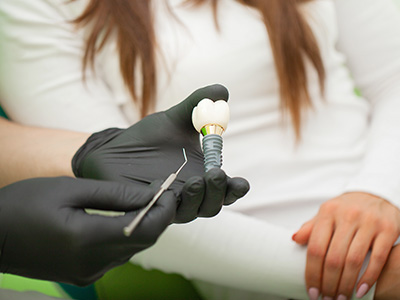
Single tooth implant is a replacement tooth that uses a small titanium post surgically placed into the jaw to function as an artificial root. The implant integrates with the bone to provide stable support for a custom-made crown that looks and functions like a natural tooth. This solution preserves adjacent teeth because it does not rely on neighboring teeth for support.
The crown that attaches to the implant is designed to match your bite, color and contours so it blends with surrounding teeth. Implants restore chewing function and help maintain jawbone volume by transmitting normal chewing forces into the bone. Over time, a well-cared-for implant can provide a durable and natural-feeling tooth replacement.
Good candidates typically have one missing tooth or a non-restorable tooth and sufficient jawbone to support an implant, or they are willing to undergo bone grafting when necessary. Healthy gums and good overall health are important because they support healing and long-term implant success. Certain medical conditions and tobacco use can affect candidacy, so a thorough evaluation is required.
During a consultation, a periodontist will review your medical history, perform an oral exam and take imaging such as cone beam CT scans to assess bone volume and anatomical structures. The office of A R Periodontics, PC in Livingston offers these diagnostic steps to determine the best treatment plan. From that evaluation the clinician will recommend whether a single tooth implant is the most predictable option.
After appropriate imaging and planning, the procedure begins with numbing the area using local anesthesia and, when indicated, sedation for additional comfort. A small incision is made in the gum to expose the bone, a precise osteotomy is prepared, and the titanium implant is placed into the jaw. The implant may be left covered or fitted with a healing abutment depending on the case and the clinician's approach.
Once the implant is positioned, the gum tissue is sutured to allow for healing and osseointegration, which is the process of the bone bonding to the implant surface. Impressions for the final crown are taken after adequate healing, and a custom restorative crown is attached to restore form and function. The entire workflow is planned to achieve both functional stability and an aesthetic outcome.
Patient comfort is managed with a combination of local anesthesia and, if desired or clinically indicated, conscious sedation such as nitrous oxide or intravenous sedation. Local anesthesia numbs the surgical site so patients do not feel pain during the procedure, while sedation options help reduce anxiety and create a more relaxed experience. The clinical team monitors the patient throughout the procedure to maintain safety and comfort.
Postoperative discomfort is typically controlled with prescribed or recommended analgesics and cold compresses applied to the face to reduce swelling. Patients receive written aftercare instructions that cover oral hygiene, dietary recommendations and activity restrictions to support a smooth recovery. Clear communication with the dental team helps address concerns quickly if unusual pain or complications arise.
Healing time varies based on bone quality, implant location and whether additional procedures such as bone grafting were performed, but most patients need several months for osseointegration. In many cases the bone fuses to the implant over a typical period of three to four months in the lower jaw and slightly longer in the upper jaw. Immediate provisional restorations are possible in selected cases, but definitive crowns are usually placed after stable integration is confirmed.
Follow-up visits are scheduled to evaluate soft tissue healing and bone integration before moving to the restorative phase. During this period maintaining excellent oral hygiene and following postoperative guidance reduces the risk of complications. Once integration is complete, an abutment and final crown are fabricated and attached to restore full function and aesthetics.
Bone grafting is recommended when the jawbone lacks sufficient height, width or density to securely hold an implant, which can happen after long-term tooth loss or following extraction. Grafting rebuilds or augments the deficient areas using autogenous bone, processed bone mineral or synthetic materials to create a stable foundation for implant placement. In some cases grafting is performed before implant placement, while in others it can be done at the time of surgery.
The decision to graft is based on imaging and clinical judgment to ensure long-term implant stability and ideal aesthetics. When grafting is required, the clinician explains the material choices, healing timeline and any additional follow-up needed. Proper graft integration helps preserve facial contours and supports a natural-looking final restoration.
The number of appointments varies with case complexity but generally includes an initial consultation, imaging and planning, implant surgery, several healing follow-ups and the restorative appointments for the abutment and crown. A straightforward single implant may involve three to five visits spread over three to six months, whereas additional procedures like bone grafting or sinus lifts extend the timeline. Emergency or complication-related visits are scheduled as needed.
Each phase has specific goals: diagnosis and planning, surgical placement and healing, and final restoration and occlusal adjustment. The team at A R Periodontics, PC coordinates care to optimize scheduling and procedural sequencing for predictable results. Clear timelines help patients plan and understand the steps involved in achieving a long-lasting tooth replacement.
Aftercare includes short-term steps such as keeping the surgical site clean, eating soft foods, avoiding strenuous activity for the first few days and following any medication instructions. Gentle rinsing with an antimicrobial mouthwash or saline solution and careful brushing near the surgical area support healthy healing without disturbing the implant. You will receive specific guidelines on when to resume normal oral hygiene routines and any temporary limitations.
Long-term maintenance involves regular dental checkups, professional cleanings and good at-home oral hygiene to prevent gum disease around the implant. Implants require the same vigilance as natural teeth to avoid peri-implant inflammation, and periodic assessments allow the clinician to monitor bone levels and the integrity of the restoration. With proper care, implants can remain stable and functional for many years.
As with any surgical procedure, risks include infection, bleeding, swelling and pain during the healing period, and in rare cases injury to adjacent teeth or nerves. Implant-specific complications can include failure of osseointegration, peri-implant mucositis or peri-implantitis, and mechanical issues such as abutment loosening or crown fracture. Careful planning, sterile technique and adherence to postoperative instructions reduce the likelihood of these problems.
When complications are identified early through follow-up exams, many issues can be successfully managed with nonsurgical or surgical interventions. Patients should report persistent pain, unusual swelling, drainage or changes in bite promptly so the clinician can evaluate and treat the problem. Ongoing maintenance and prompt attention to symptoms are key to preserving implant health.
A single tooth implant replaces the missing tooth root and preserves adjacent teeth, while a traditional fixed bridge relies on preparing neighboring teeth for crowns to support the replacement tooth. Because implants support the bone by transmitting chewing forces into the jaw, they help prevent the bone loss that often follows tooth extraction, whereas bridges do not provide this benefit. Implants can offer superior long-term oral health outcomes in many cases.
The choice between an implant and a bridge depends on factors such as the condition of neighboring teeth, bone availability, overall health considerations and patient preferences. A thorough evaluation and discussion with your dental specialist will clarify which option delivers the most predictable, functional and aesthetic result for your situation. Both solutions can restore chewing and appearance, but implants often provide a more conservative approach to surrounding tooth structure.