Call Us Today!
(973) 625-1491
New Patients
(973) 221-5407


Ridge augmentation is a common dental procedure often performed after a tooth extraction to restore the natural shape and contour of the gums and jaw. Bone loss can occur after a tooth is removed or for other reasons, and ridge augmentation helps rebuild the area to support dental function and appearance.
The alveolar ridge is the portion of the jawbone that surrounds the roots of your teeth. When a tooth is extracted, an empty socket remains in the ridge. In many cases, the socket will naturally fill in with bone and tissue over time. However, if the surrounding bone fractures or is insufficient, the area may not heal properly, and the original height and width of the ridge can deteriorate.
Rebuilding the alveolar ridge is not always medically necessary, but it may be important for:
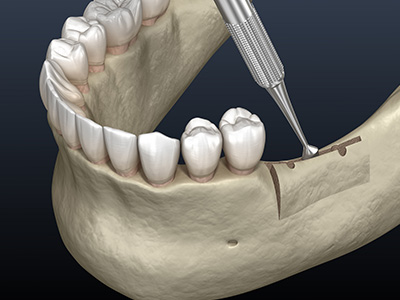
Ridge augmentation is accomplished by placing bone graft material into the empty tooth socket. This is often done immediately after extraction to minimize the need for additional procedures later. The gum tissue is then positioned over the graft and secured with sutures.
In some cases, Dr. Rothstein may use a space-maintaining material over the graft. This helps preserve the height and width of the ridge and encourages new bone growth. Once the area has healed, the alveolar ridge is ready to support a dental implant.
Ridge augmentation is a safe and effective way to restore jawbone structure, ensuring better outcomes for implants and maintaining the natural look of your smile.
Ridge augmentation is a surgical procedure used to restore the natural shape, height and width of the alveolar ridge after tooth loss or bone resorption. The goal is to rebuild the jaw so it can support future restorations such as dental implants or to improve the contour of the gums for a more natural appearance. Ridge augmentation can involve bone grafts, space-maintaining materials and soft tissue management to encourage predictable new bone growth.
When performed properly, ridge augmentation recreates the ridge anatomy that may have been lost following extraction, trauma or long-term missing teeth. The office of A R Periodontics, PC evaluates ridge defects individually to create a treatment plan that balances functional needs with esthetic outcomes. The result is a stronger foundation for implants or other restorative work and improved long-term oral health.
After a tooth is removed the surrounding bone tends to remodel and shrink, which can leave a concave or narrow ridge that is insufficient for implant placement or for supporting a natural-looking restoration. Ridge augmentation is recommended when the existing bone volume would compromise the stability, position or appearance of a future implant or bridge. Addressing ridge defects early—often at the time of extraction—can simplify later implant treatment and reduce the need for more extensive grafting.
Beyond implant support, ridge augmentation can help maintain gum contours and facial support that contribute to a pleasing smile and normal lip posture. Your clinician will assess ridge form using clinical exam and imaging to determine whether augmentation is indicated and which technique will best meet your restorative and esthetic goals. The decision is individualized to preserve both function and appearance over the long term.
Ridge augmentation commonly uses autograft (patient bone), allograft (donor bone), xenograft (animal-derived bone) or synthetic bone substitutes to fill and support the defect. These grafts act as a scaffold for new bone formation and are selected based on the size of the defect, patient preferences and clinical considerations such as healing potential. Space-maintaining materials like resorbable or nonresorbable membranes and collagen plugs may also be used to protect the graft and guide bone regeneration.
Soft-tissue grafts or repositioning of local gum tissue are sometimes combined with bone grafts to improve the contour and thickness of the overlying tissue. Drains or tacks are rarely needed; instead, sutures and careful tissue management are used to secure the graft site. Your periodontist will explain the chosen materials and why they are appropriate for your specific ridge defect.
Ridge augmentation is typically performed in the office under local anesthesia and, if requested, sedation for comfort. The periodontist makes a precise incision to access the defective ridge, prepares the site by removing any nonviable tissue, places the selected graft material into the defect and secures the area with sutures and, when appropriate, a barrier membrane. The procedure is tailored to preserve surrounding anatomy and to achieve stable graft containment while promoting predictable healing.
The duration of the surgery varies with complexity but most straightforward augmentations are completed within an hour or two. Postoperative instructions focus on oral hygiene, activity modification and diet to protect the graft during the early healing phase. Follow-up visits allow your clinician to monitor integration of the graft and guide the next steps in your restorative plan.
Initial healing following ridge augmentation usually involves mild to moderate swelling and minor discomfort that can be managed with prescribed or over-the-counter medications and cold compresses. You will receive specific instructions on oral rinses, brushing modifications and dietary recommendations to minimize disturbance of the graft site. Most patients return to normal light activities within a few days, while avoiding heavy exertion and actions that place pressure on the treated area.
Bone regeneration is a gradual process, so complete integration of the graft may take several months depending on the material used and the size of the defect. Regular follow-up appointments and imaging help confirm that the new bone has formed sufficiently to support implants or other restorations. Adhering to your clinician’s care plan optimizes healing and reduces the risk of complications.
The timeline for implant placement after ridge augmentation depends on the extent of grafting, the type of graft material and how well the site heals; typically clinicians wait three to six months for graft consolidation. Smaller ridge repairs or certain graft materials may allow for earlier implant placement, while larger or more complex defects sometimes require longer healing periods to achieve stable bone. Your periodontist will monitor healing with clinical exams and radiographs to determine the appropriate timing for implant surgery.
In some cases, ridge augmentation and implant placement can be coordinated in a single surgical visit if primary stability is achievable and the defect is limited. When implants are delayed, staging the procedures reduces risk and enhances predictability for long-term implant success. The chosen approach balances immediate restorative goals with the biological requirement for solid, well-vascularized bone.
As with any surgical procedure, ridge augmentation carries potential risks such as infection, prolonged swelling, graft exposure, or incomplete bone regeneration. Careful surgical technique, appropriate patient selection and adherence to postoperative instructions significantly reduce these risks. Most complications, when they occur, are manageable with conservative measures such as local care, antibiotics or minor re-intervention.
Patients who smoke or have uncontrolled systemic conditions may face higher complication rates and slower healing, so candid discussion of medical history and habits is important before treatment. Your periodontist will explain the specific risks relevant to your case and outline strategies to minimize them, including preoperative planning and close follow-up care.
Ridge augmentation can restore natural gum contours and underlying bone support, which in turn improves the symmetry and fullness of the smile line. By rebuilding lost ridge volume, the procedure helps ensure that future restorations—such as crowns or implant-supported teeth—emerge from the gum in a way that looks natural and maintains proper tooth proportions. This is especially important in the esthetic zone where visible teeth influence facial appearance and lip support.
Soft-tissue management performed alongside bone grafting further enhances the final esthetic result by thickening or reshaping the gum tissue. Your periodontist will consider both bone and soft-tissue needs when planning augmentation so the restorative outcome harmonizes with surrounding teeth and facial features. Consistent follow-up and coordination with your restorative dentist help achieve the best possible esthetic outcome.
Ridge augmentation is commonly performed under local anesthesia, which effectively numbs the area and allows most patients to remain comfortable throughout the procedure. For patients with anxiety, low pain tolerance or more extensive surgical needs, sedation options such as oral sedatives or intravenous sedation may be offered to enhance comfort and reduce stress. The choice of anesthesia is determined by clinical factors and patient preference, and is discussed during treatment planning.
Safety is a priority when sedation is used, so your medical history and current medications are carefully reviewed to select the appropriate level of sedation. Whether local anesthesia alone or combined with sedation, the surgical team will monitor you closely to ensure a safe and comfortable experience. Postoperative instructions vary slightly with sedation and will be provided before your appointment.
Determining whether ridge augmentation is necessary begins with a thorough clinical examination, dental imaging and a discussion of your restorative goals, medical history and lifestyle. If missing ridge volume would compromise implant stability, occlusion, or the esthetic outcome of a restoration, ridge augmentation is often recommended to create the proper foundation. Your periodontist will explain alternatives and the expected benefits of augmentation so you can make an informed decision.
At the practice of A R Periodontics, PC in Livingston, treatment recommendations are individualized and based on the best available evidence and your long-term oral health objectives. A comprehensive care plan outlines the proposed procedures, expected timeline and follow-up so you understand each step of the process. If you think you may need ridge augmentation, schedule a consultation to review your options and develop a treatment approach that meets your needs.